Ice Dam Prevention: Roof & Gutter Heat Cables in North New Jersey
Ice dams start with heat. Warmth from the house melts the snow on the upper roof, the water runs down to the cold edge, and it freezes there. That ridge of ice holds back the next round of meltwater, which can work its way under the shingles and into your ceilings and walls. Big icicles along the gutter are often the first sign.
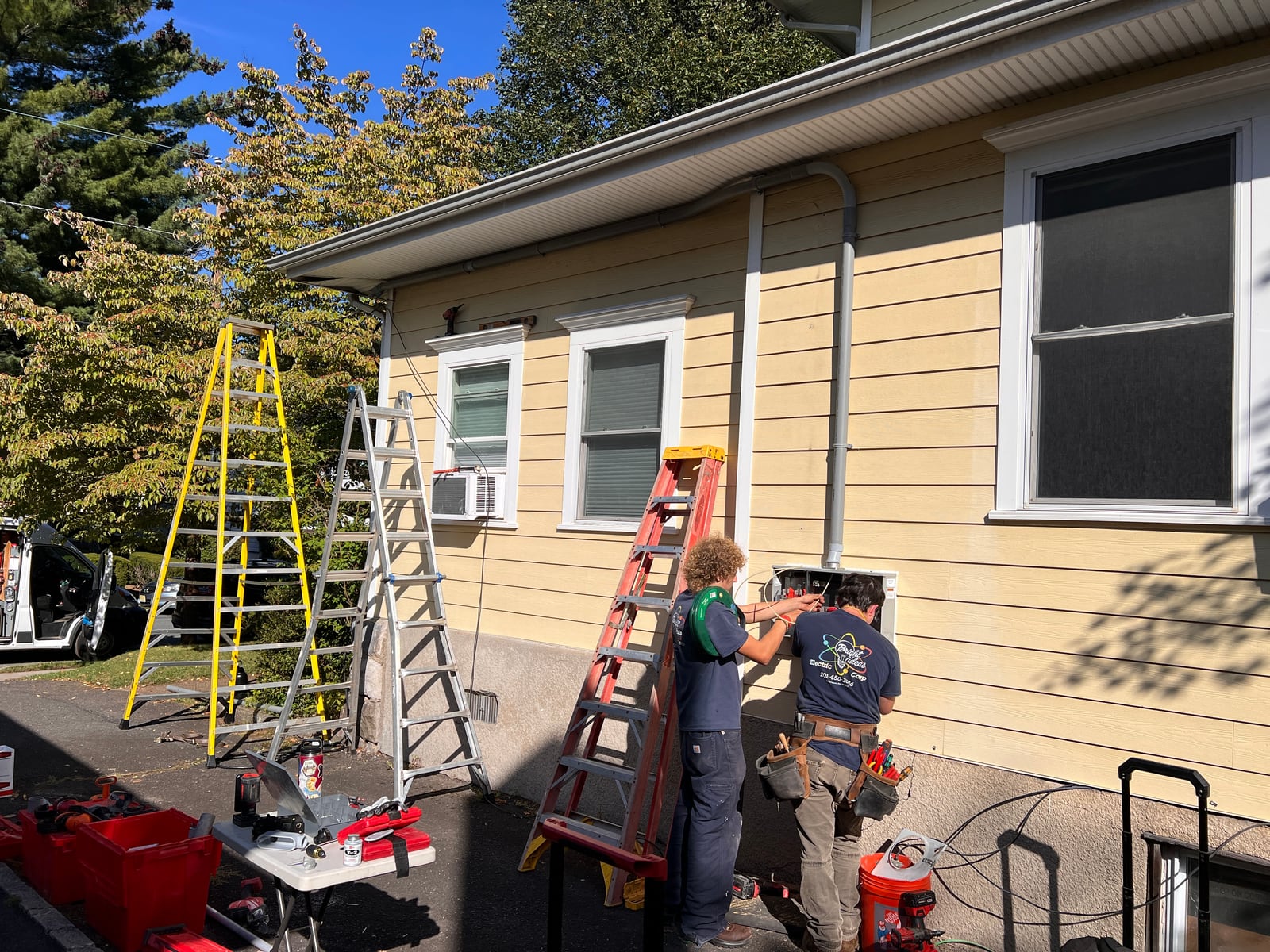
Bright Ideas Electric installs roof and gutter heat cables, also called ice melting or de-icing cables, on homes around North Jersey. The cable runs along the roof edge and through the gutters and downspouts, so melting snow has a clear path off the roof instead of backing up behind the ice. We have installed Raychem and Danfoss systems, added the outlets that power them, and gone back to re-strap and test older ones.
The window is short. This work has to get done while it is still warm enough to be on a roof, and before the first real snow. Rob has been an electrician since 2001 and a NJ Licensed Master Electrician since 2006. Call or text him for a free estimate.
 You'll talk to Rob, the owner
Free estimates • Licensed & insured
What's Included
- Roof and gutter heat cable installation
- Cable run along the roof edge, gutters and downspouts
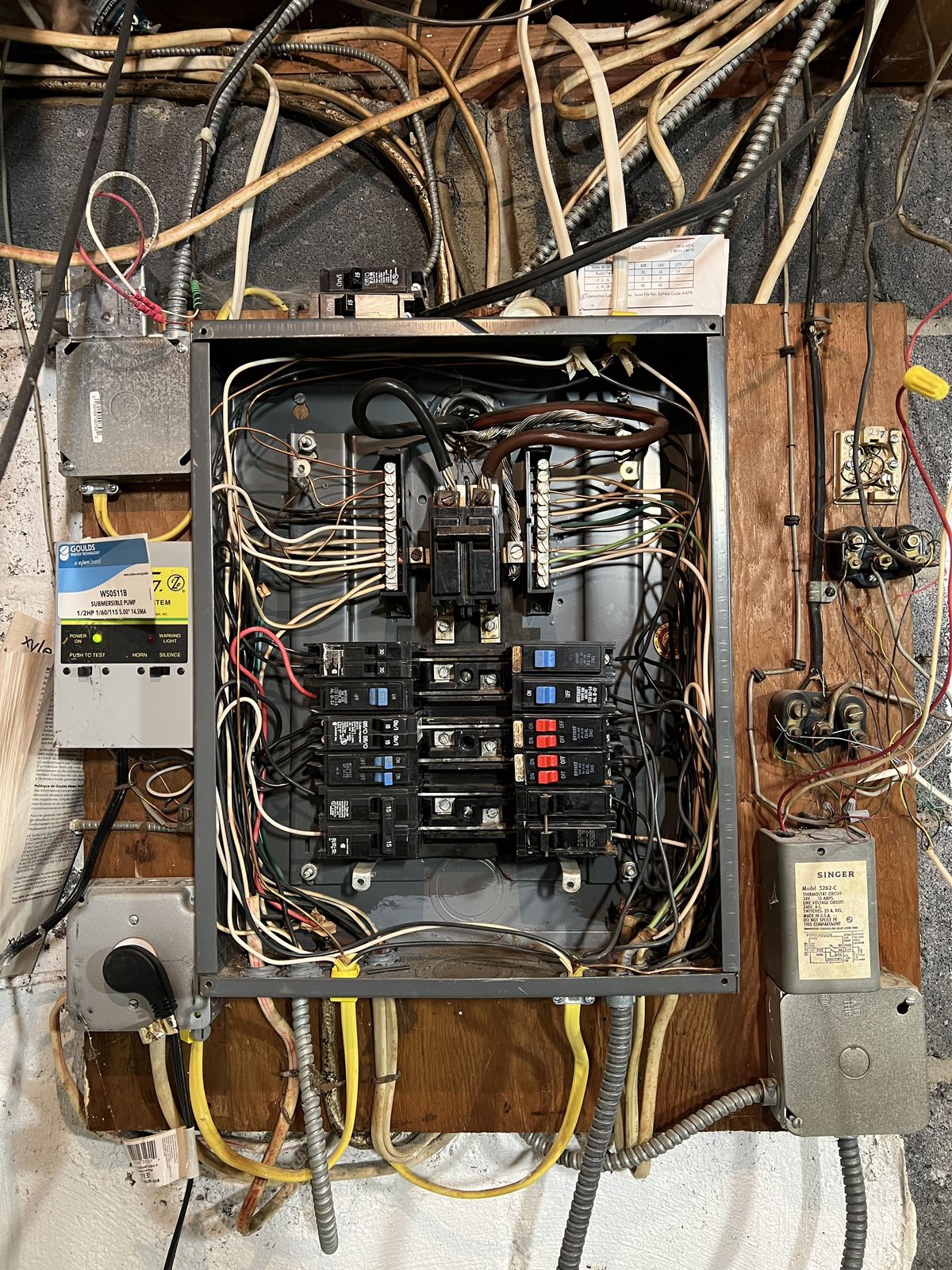
- New outlets and circuits to power the cable
- Ground-fault protection, as the electrical code requires
- Re-strapping and testing of older systems
- Layout planned around where your ice builds up
- Free estimates from a NJ Licensed Master Electrician
The Benefits of Heat Cables
- Meltwater can drainA clear channel lets water run off the roof instead of pooling behind the ice.
- Drier ceilings and wallsLess water under the shingles means less chance of leaks, stains and peeling paint inside.
- Drier attic insulationLess water getting in helps your insulation keep doing its job.
- Fewer iciclesLess hanging ice over doors, steps and walkways.
- Less strain on your guttersHelps water keep moving through the gutters and downspouts instead of freezing into heavy ice.
- Less time on a ladder in winterLess need to rake the roof or climb up in the cold to deal with ice.
- Fewer repair billsCan help you avoid paying to fix ceilings, walls, insulation and roof edges.
- A safe electrical setupA proper outlet and circuit with ground-fault protection, not extension cords run up to the roof.
- Ready before the snowYour problem spots get covered before the first storm, not after the first leak.
What Can Happen Without Them
- Water under the shinglesAn ice dam can force meltwater up under the shingles and into the house.
- Stained ceilings and wet wallsLeaks can show up as stains, peeling paint and damaged drywall.
- Wet insulationSoaked attic insulation stops working well, which can raise heating bills, and it may need to be replaced.
- Mold and rotMoisture left in attics and walls can lead to mold and rotted wood.
- Damaged gutters and roof edgesHeavy ice can bend gutters, pull them loose and lift shingles.
- Falling ice and slippery walksIcicles can drop without warning, and meltwater refreezes on steps and walkways.
- Costly repairsOne leak can mean paying for drywall, paint, insulation and roof work.
- Risky fixes in the coldClearing ice off a roof in winter is dangerous and can damage the shingles.
- The same problem next winterIce tends to build in the same spots every year, and once the roof is icy, installing cable has to wait.
Frequently Asked Questions
What causes ice dams?
Do heat cables stop ice dams?
When is the best time to install them?
Can I just use a plug-in kit from the hardware store?
Will this work on my roof?
What does it cost to run?
How much does installation cost?
You'll talk to Rob, the owner
Ready to Get Started?
Call or text Rob today for a free estimate — most quotes within 24 hours
Get Free Estimate Now